Flat signs can communicate a message, but three-dimensional designs can make people stop and look. Depth, lighting, materials, and carefully crafted details work together to give a sign greater presence and help a brand stand out in busy commercial spaces. Creating that effect takes more than adding dimension to a logo.
Keep reading to learn how signage companies in Riyadh turn concepts into striking 3D signage.
Concept and material selection
Production starts with the brand identity, available wall space, viewing distance, and desired visual character. Designers select acrylic, metal, PVC, wood, or mixed materials according to the setting and budget. Each material offers a different surface texture and level of depth.
Precision cutting and shaping
Digital design files guide modern cutting equipment with impressive accuracy. CNC routers, laser cutters, and specialist tools form each letter according to its approved dimensions. Skilled technicians inspect edges, corners, curves, and joins during fabrication. Smooth cuts help lettering look refined, while accurate measurements keep every element aligned.
Layering and dimensional depth
High-impact 3D signage gains much of its character through layered construction. Makers combine raised lettering, backing panels, spacers, and shaped elements to produce visible depth. Different thicknesses add contrast and give the sign a richer appearance. Shadow gaps can also separate letters visually, helping each character remain clear against busy walls, textured surfaces, or branded interiors.
Finishing and surface treatment
Surface treatment gives the sign its final personality. Teams polish metal, apply specialist coatings, paint selected surfaces, or use finishes that match brand standards. Acrylic pieces may receive glossy, matte, frosted, or translucent treatments. Consistent finishing matters because small marks, uneven edges, or mismatched tones can distract viewers. Technicians inspect every component before assembly begins.
Lighting and visual impact
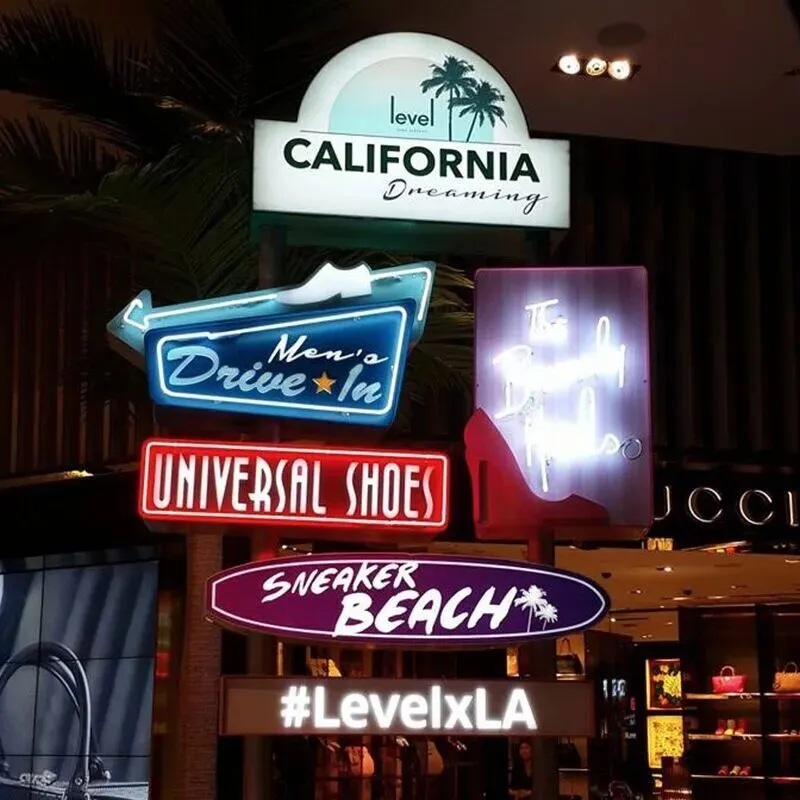
Lighting turns dimensional lettering into a focal feature after dark or inside dim spaces. LED modules may sit behind letters, inside channels, or around selected edges. Backlighting produces a soft halo, while face lighting gives lettering a brighter presence. Installers position light sources evenly and test illumination levels so the sign remains readable without excessive glare.
The final stage assembles every fabricated part together at its intended location. Installation teams check mounting points, alignment, spacing, wiring, and surface stability. They also inspect the sign under different viewing angles and lighting conditions. A final quality check confirms clean joints, secure fixtures, even illumination, and accurate brand details.